

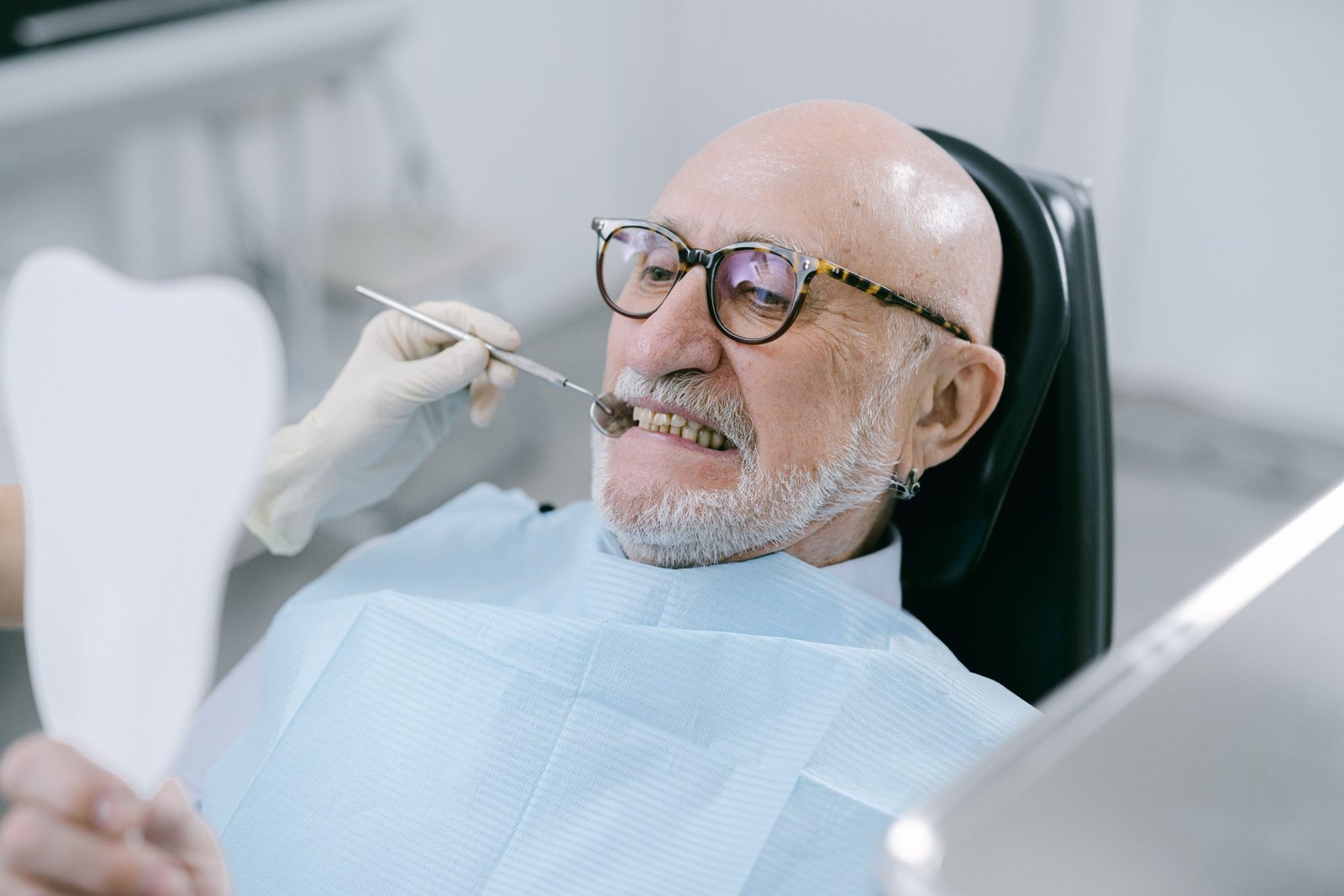
Worn teeth develop when the protective enamel gradually wears away due to grinding, aging, acidic foods, or everyday use. Over time, this loss of tooth structure can affect appearance, sensitivity, and normal chewing function. Left untreated, excessive wear may increase the risk of cracks, fractures, and further dental damage. Early diagnosis and appropriate treatment help protect your teeth, restore function, and maintain lasting oral health.
Know the Signs
Common Symptoms
Worn teeth often develop gradually, making the early signs easy to overlook. If you’re experiencing any of the following symptoms, it’s a good idea to schedule a dental evaluation.
- Tooth Sensitivity: Worn enamel may increase discomfort when eating hot or cold foods.
- Flattened Teeth: The biting surfaces may appear smoother or flatter than normal.
- Chipped Edges: Weak enamel can cause the edges of teeth to chip more easily.
- Shorter Looking Teeth: Excessive wear may make teeth appear smaller or less even.
- Pain While Chewing: Damaged tooth surfaces may cause discomfort during everyday meals.
- Visible Tooth Wear: The enamel may appear thin, rough, or noticeably worn over time.
Why It Happens
Underlying Causes
Worn teeth can result from several factors affecting the enamel and tooth structure. Identifying the underlying cause helps prevent further damage and protect your smile.
- Teeth Grinding: Constant grinding places excessive pressure on the enamel and tooth surface.
- Acid Erosion: Acidic foods and drinks can gradually weaken and dissolve tooth enamel.
- Aging Process: Years of normal use can slowly wear away healthy tooth structure.