

A dental filling is a restorative treatment used to repair teeth damaged by decay, small fractures, or everyday wear. The affected portion of the tooth is carefully cleaned before being filled with a durable, tooth-colored material. This helps restore strength, function, and appearance while preventing further damage or infection. Early treatment with dental fillings helps preserve your natural teeth and maintain long-term oral health.
Know the Signs
Common Symptoms
A damaged or decayed tooth may not always cause immediate pain, but the symptoms can worsen over time. If you’re experiencing any of the following signs, it’s a good idea to schedule a dental evaluation.
- Tooth Sensitivity: Sharp discomfort when eating or drinking hot, cold, or sweet foods.
- Pain While Chewing: Pressure on the affected tooth may cause discomfort during everyday meals.
- Visible Cavity: Dark spots or small holes may appear on the surface of the tooth.
- Chipped Tooth: Minor cracks or chips can weaken the tooth and cause sensitivity.
- Persistent Toothache: Ongoing pain may indicate damage that requires a dental filling.
- Food Getting Stuck: Small cavities can trap food particles between damaged tooth surfaces.

Why It Happens
Underlying Causes
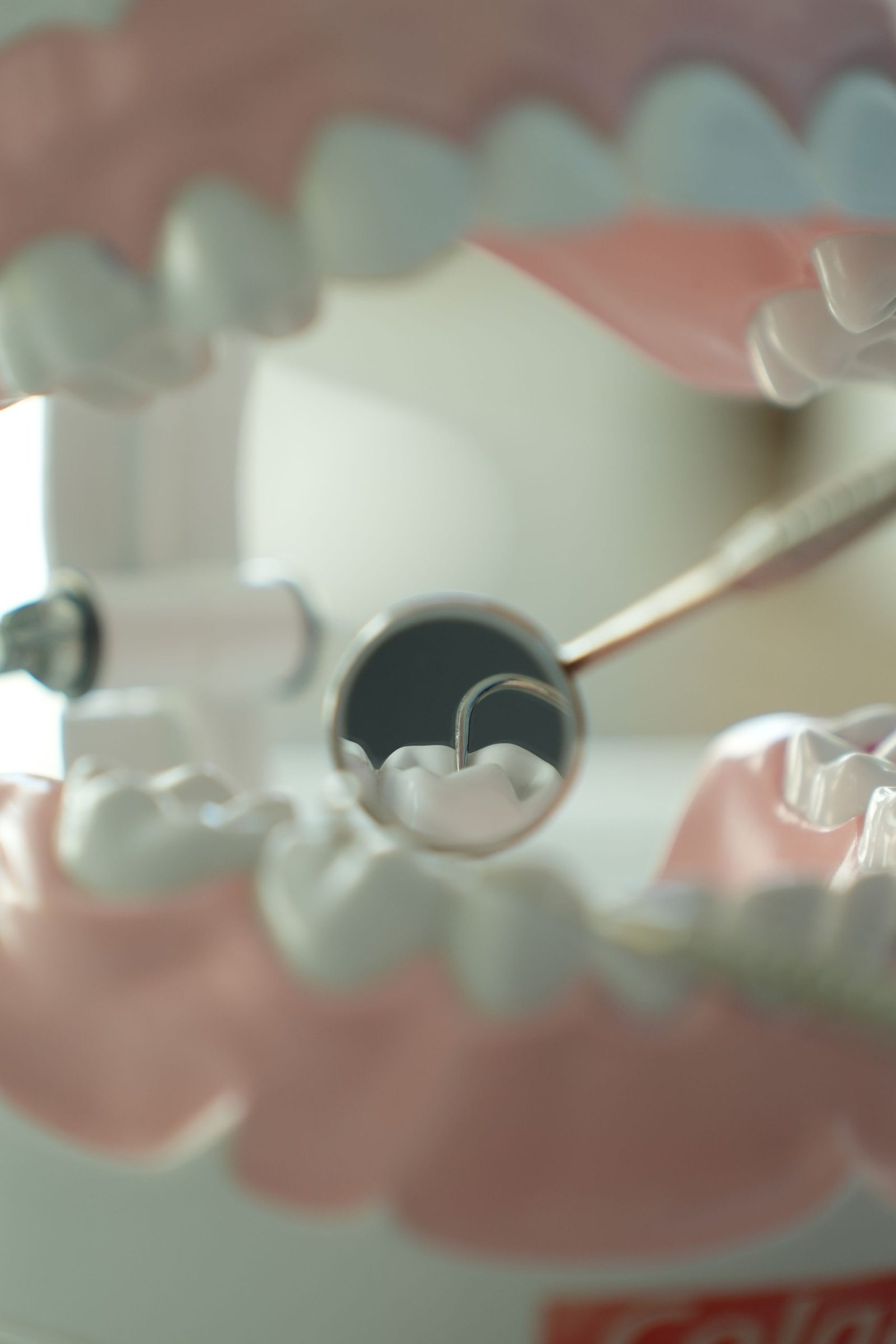
Dental fillings are needed when tooth structure becomes damaged by decay, injury, or everyday wear. Identifying the underlying cause helps restore strength and prevent further damage.
- Tooth Decay: Cavities gradually weaken the tooth and require restoration with a filling.
- Minor Fractures: Small cracks or chips can damage the tooth and expose sensitive areas.
- Worn Fillings: Old fillings may wear out and require replacement to restore protection.